Ringwood VIC 3134 · City of Maroondah
Your Ringwood Plumber, From Weatherboards to Apartments
Ringwood Plumbing looks after houses, units, townhouses and apartment buildings across Ringwood 3134 and the Maroondah suburbs around it. Ring 03 9088 4157 to talk with the licensed plumber who will actually do the job, and hear what it costs before any work begins.
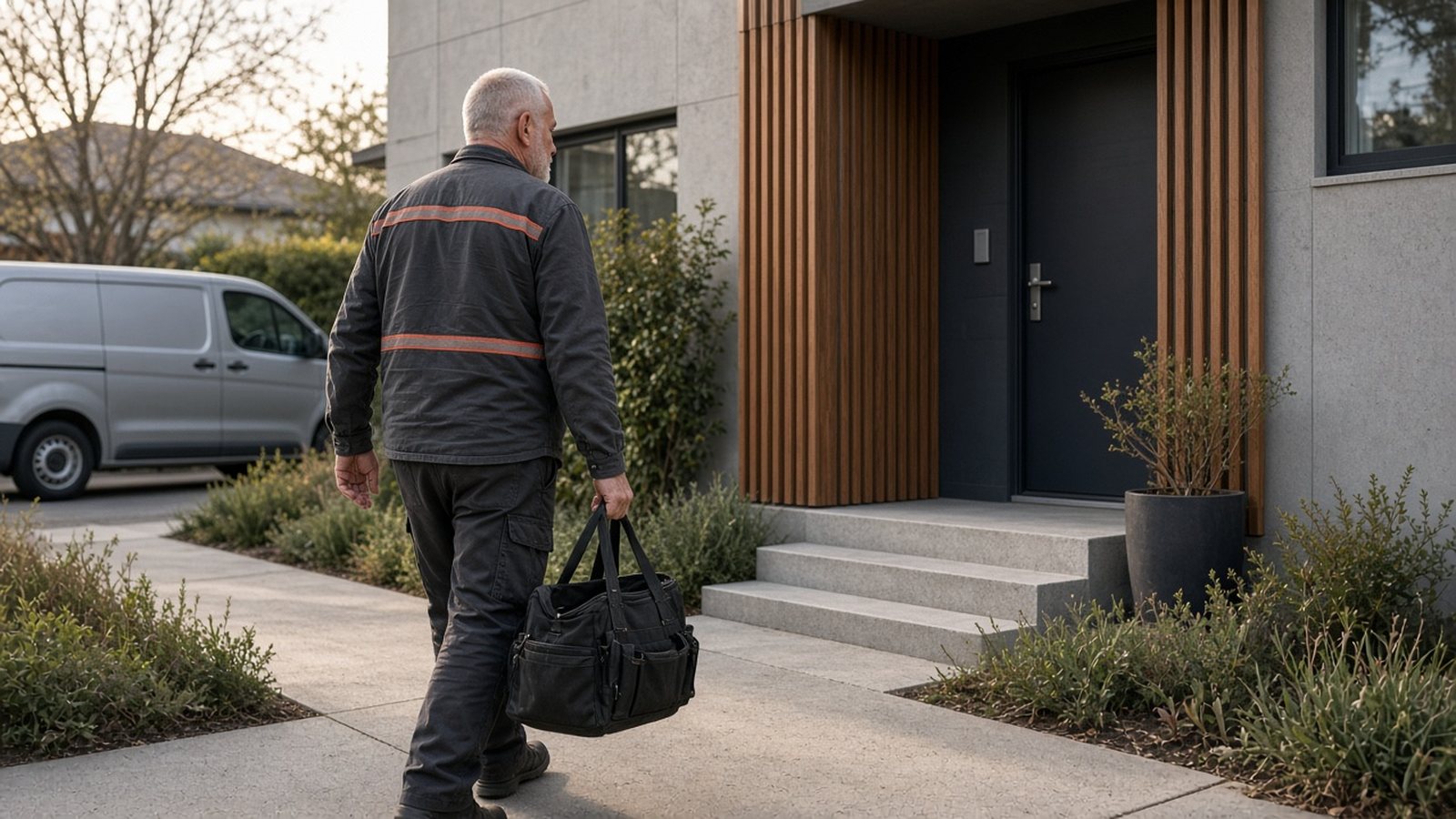
One suburb, many building types
One suburb, three kinds of plumbing
Ringwood is not one type of suburb anymore. Walk ten minutes from Ringwood station and you pass a 1950s weatherboard on a quarter-acre block, a row of four townhouses built where a single house stood in 2005, and an apartment building with a basement car park and a pump room. Each of those has its own plumbing, its own weak points and its own rules about who is responsible for what.
That is the main reason we work the way we do. Before we quote, we want to know what sort of property it is, roughly when it was built and whether there is an owners corporation involved. A dripping tap in a detached house is a simple job. The same drip in a third-floor apartment might need the building manager's approval before we can isolate the water to the floor. Getting that right first saves you time and avoids surprises.
Most of our work is within a few kilometres of Eastland and Ringwood Lake, up into Ringwood North and Warranwood, east through Ringwood East and Croydon, and west to Mitcham and Donvale.
Service index
What we fix in Ringwood
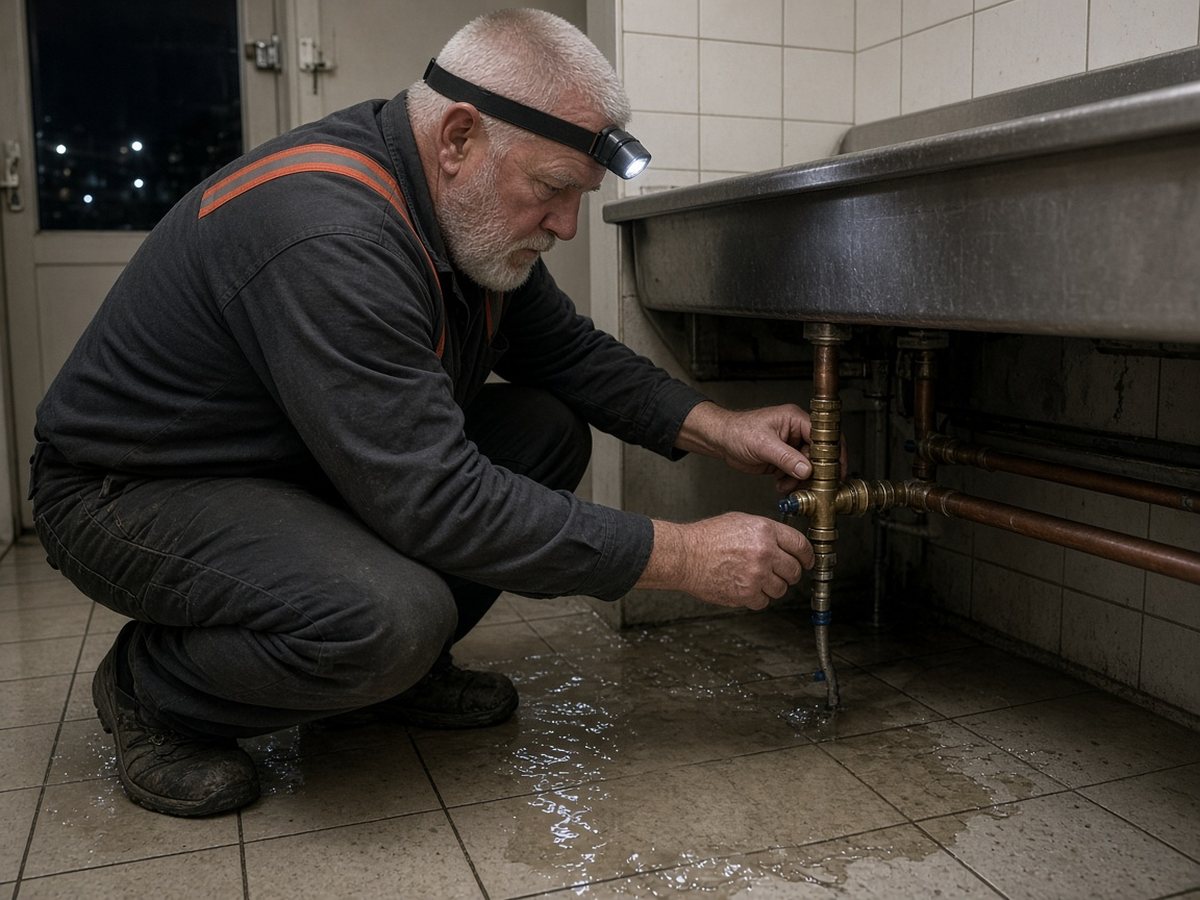 02Blocked Drains and SewersRoot-choked earthenware, shared unit sewers and fat-clogged kitchen lines cleared by machine or jetter, then checked on camera.
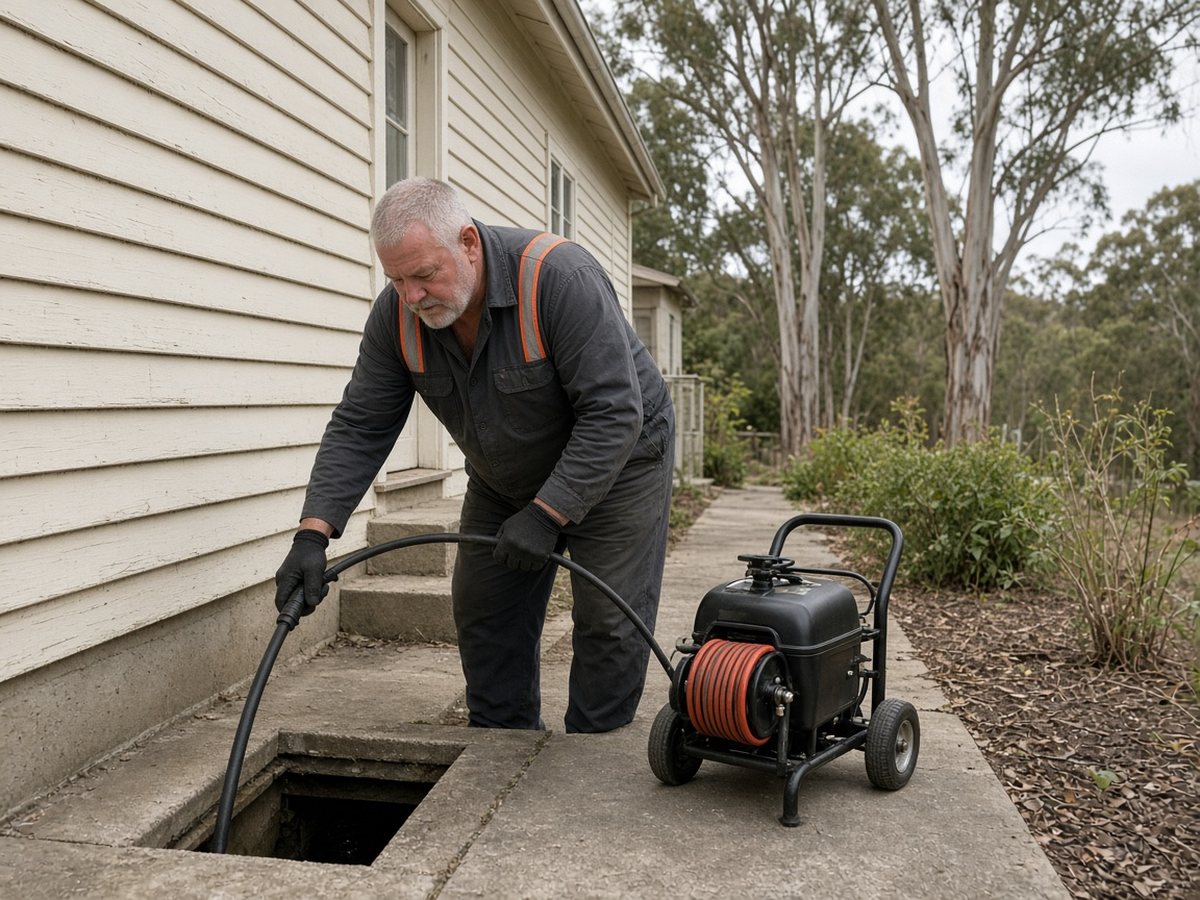 03Hot Water RepairsElectric, solar and heat pump systems with no hot water, dripping relief valves, leaks or tripping circuits, often fixed on the first visit.
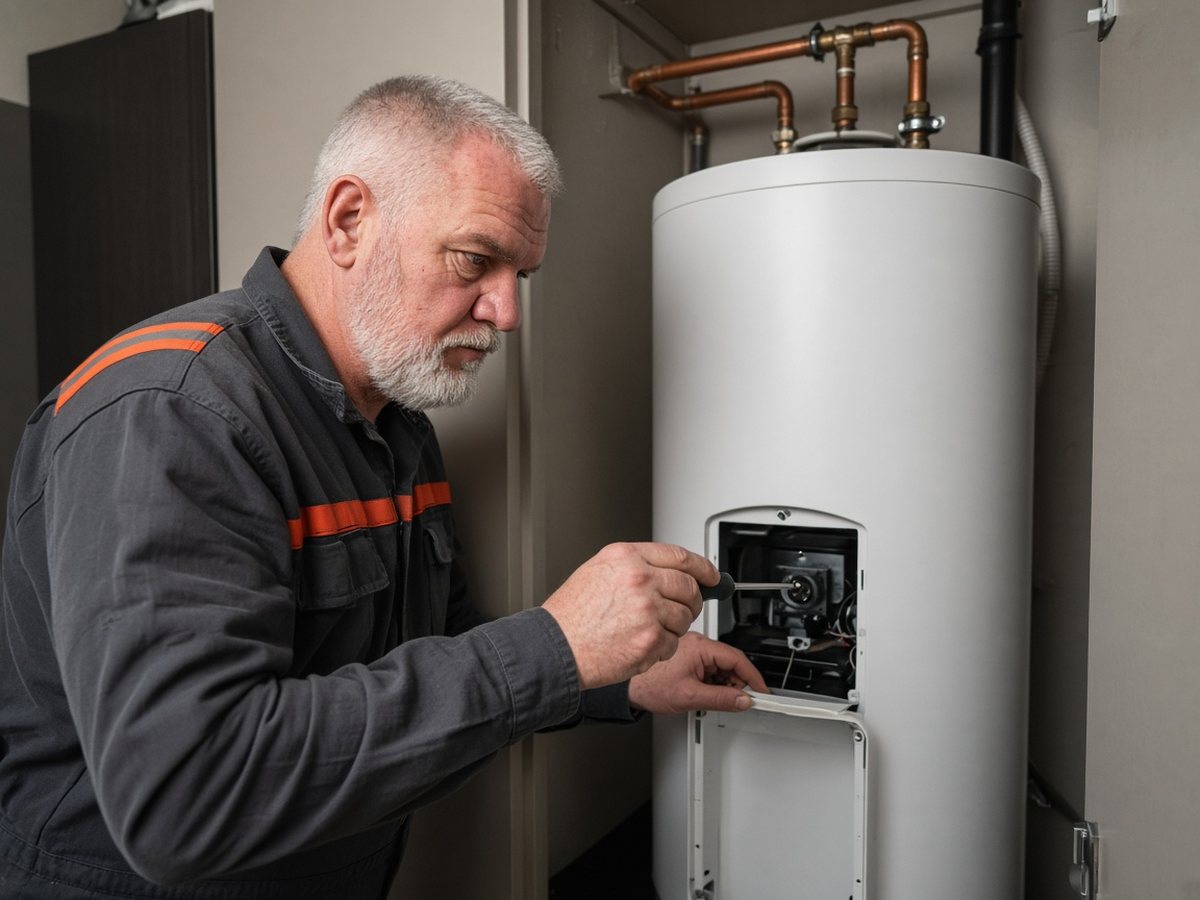 04Hot Water ReplacementWorn or leaking cylinder replaced with an electric storage or heat pump unit sized to the household and measured to fit tight courtyards.
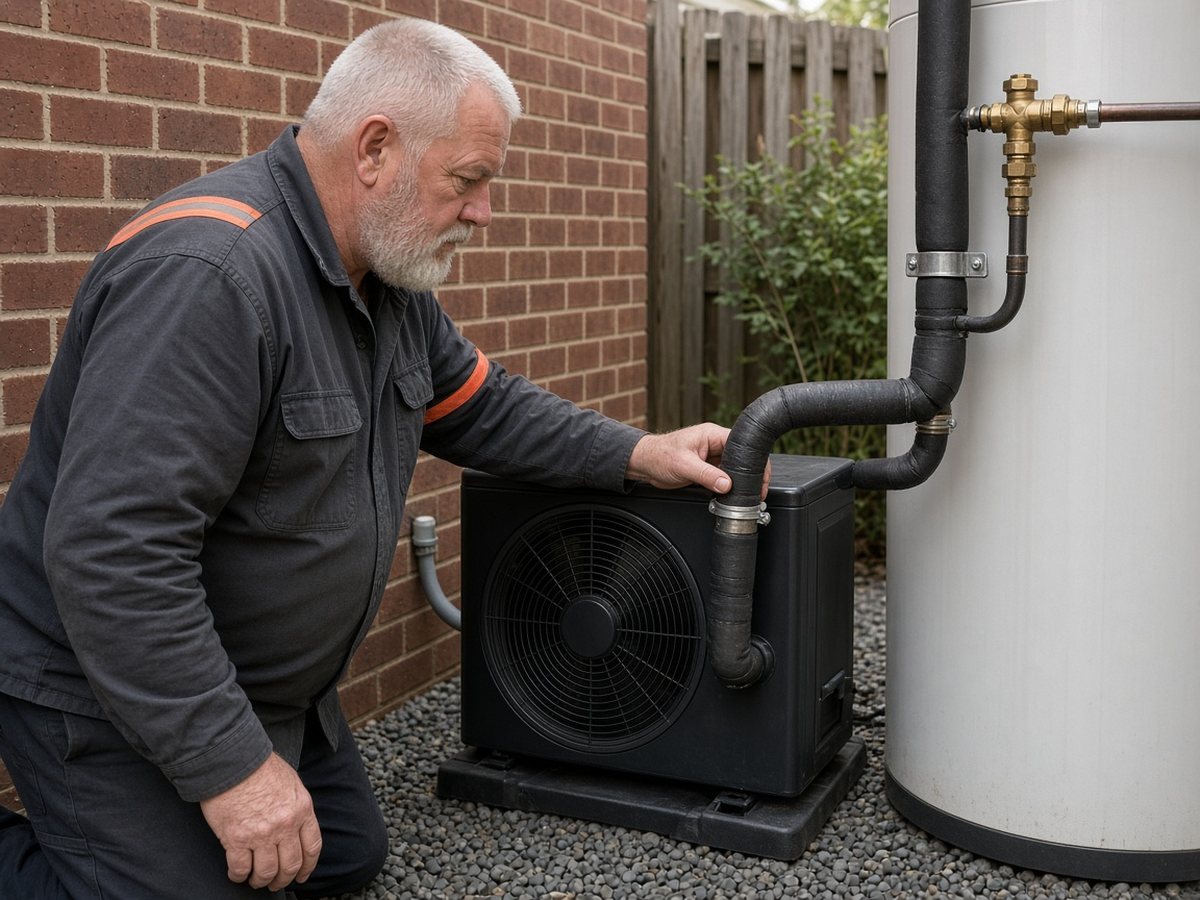
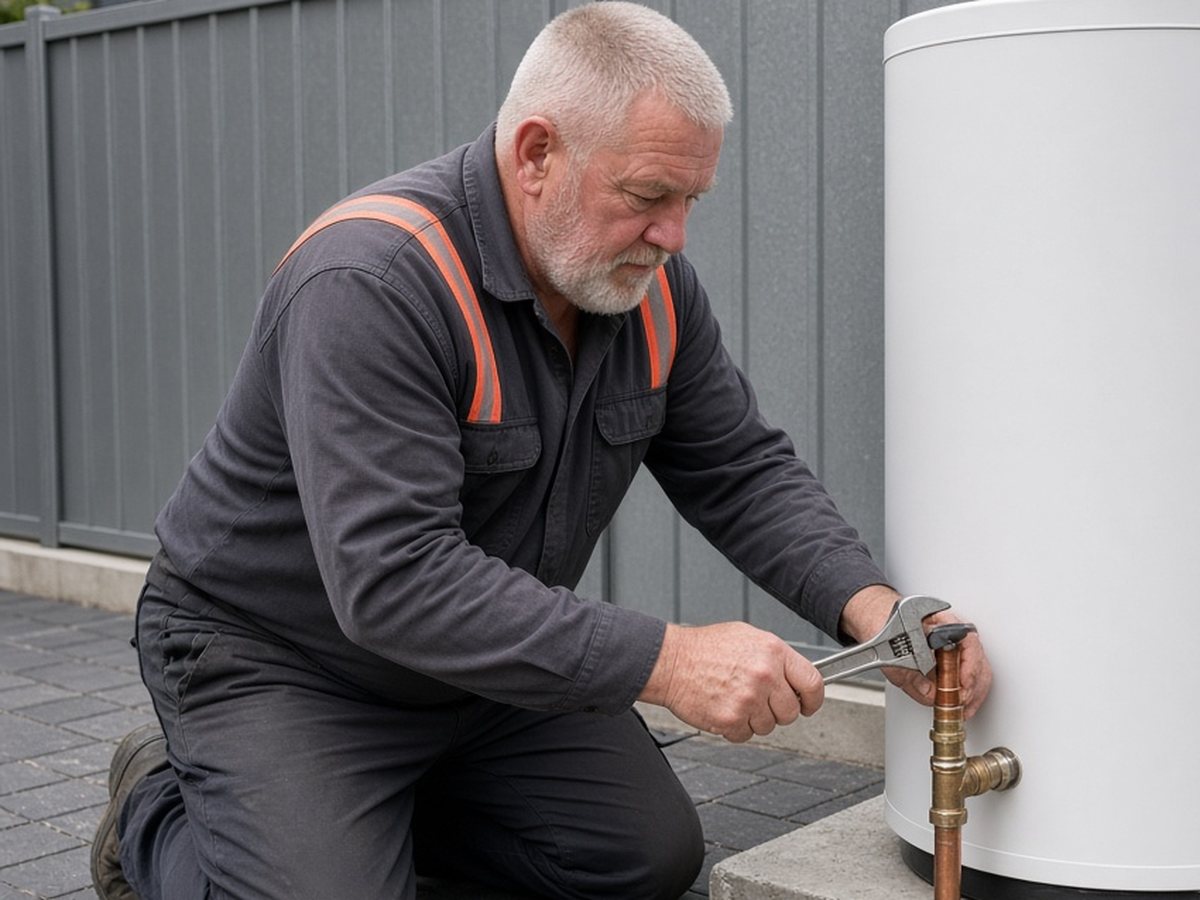 05Heat Pump Hot WaterIntegrated and split heat pumps placed for airflow and quiet neighbours, set up to run off daytime solar, and repaired when they stop heating.
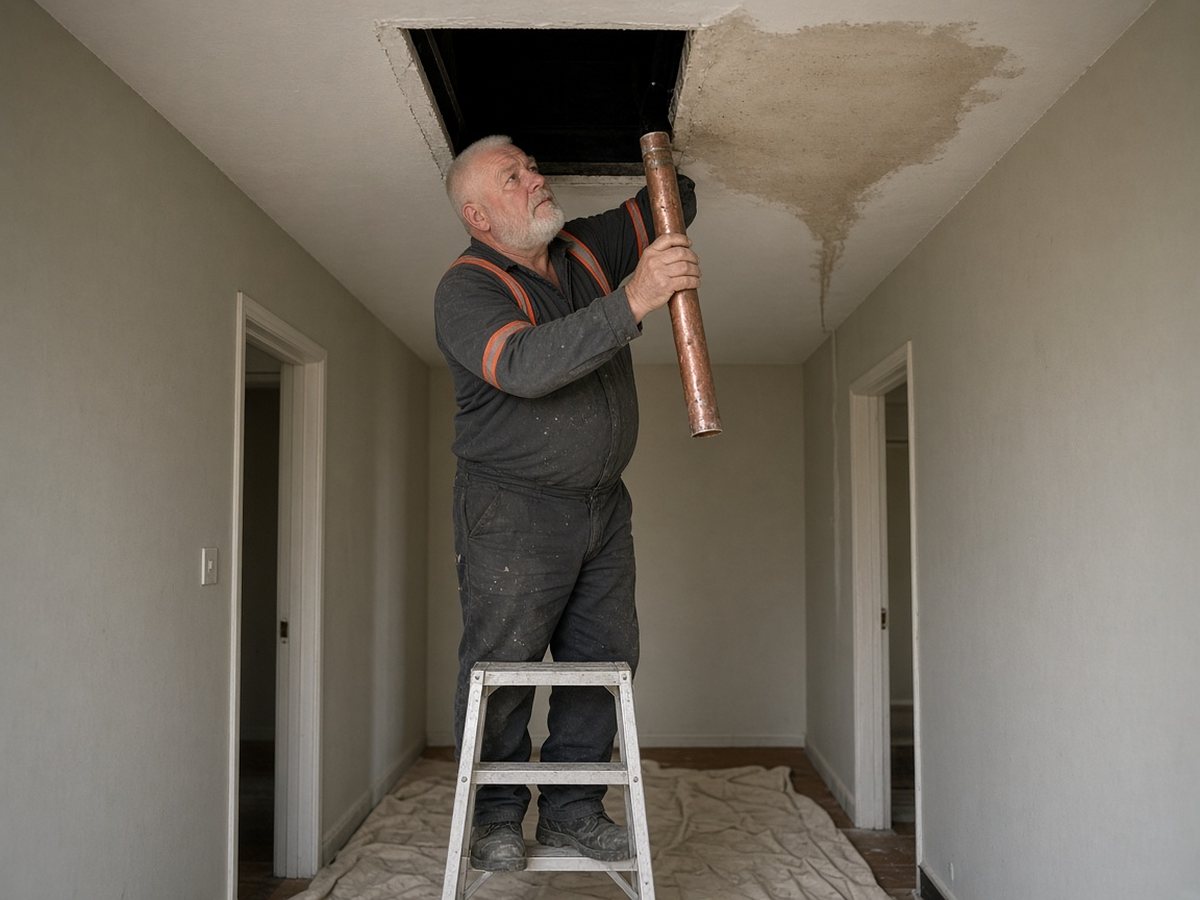
 06Burst Pipe RepairsSplit copper, rusted galvanised and failed braided hoses in walls, ceilings and yards, found with minimal opening up and pressure tested.
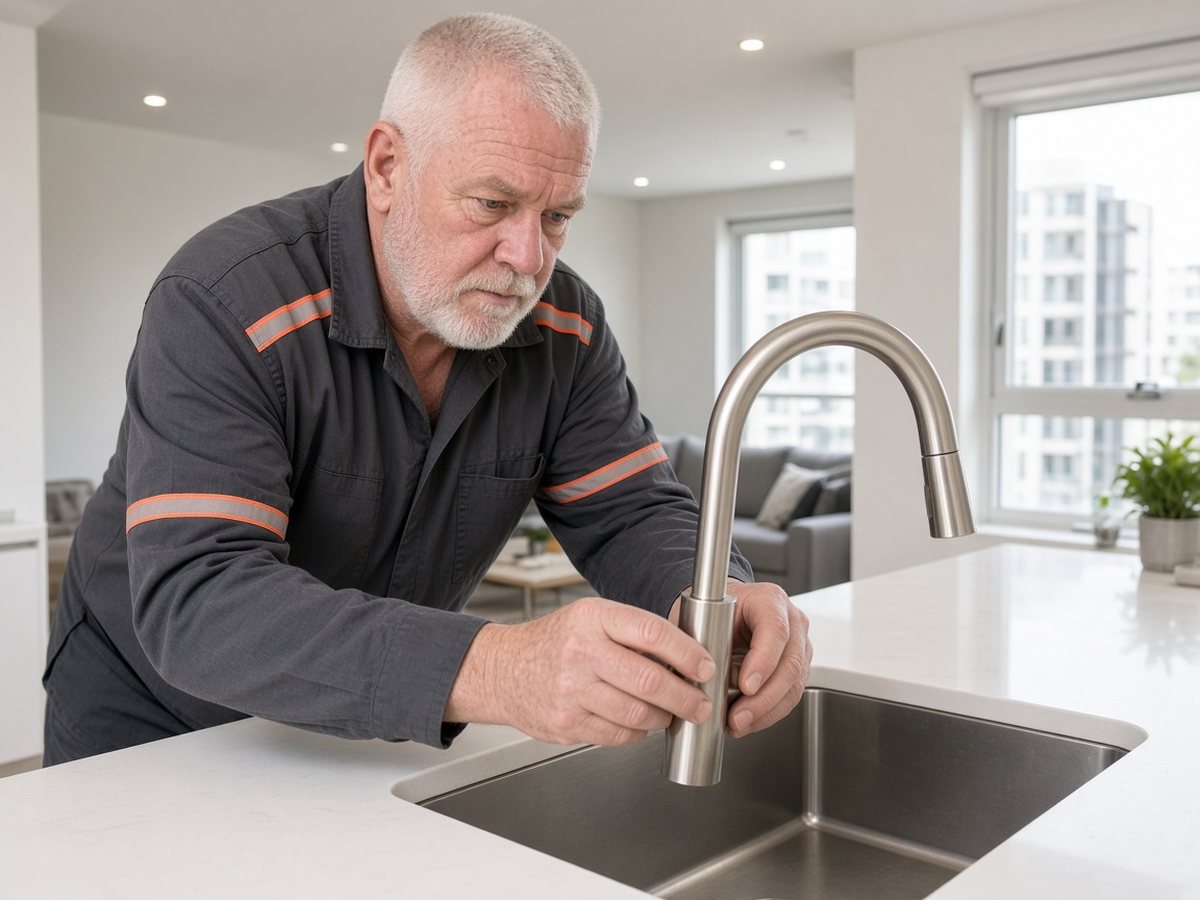
 07Taps and MixersDripping two-handle taps rewashered, worn mixer cartridges replaced and new WaterMark tapware fitted in kitchens, bathrooms and laundries.
 08Toilet RepairsRunning cisterns, weak flushes, leaking pan seals and in-wall cisterns serviced through the button plate, plus new suites fitted.
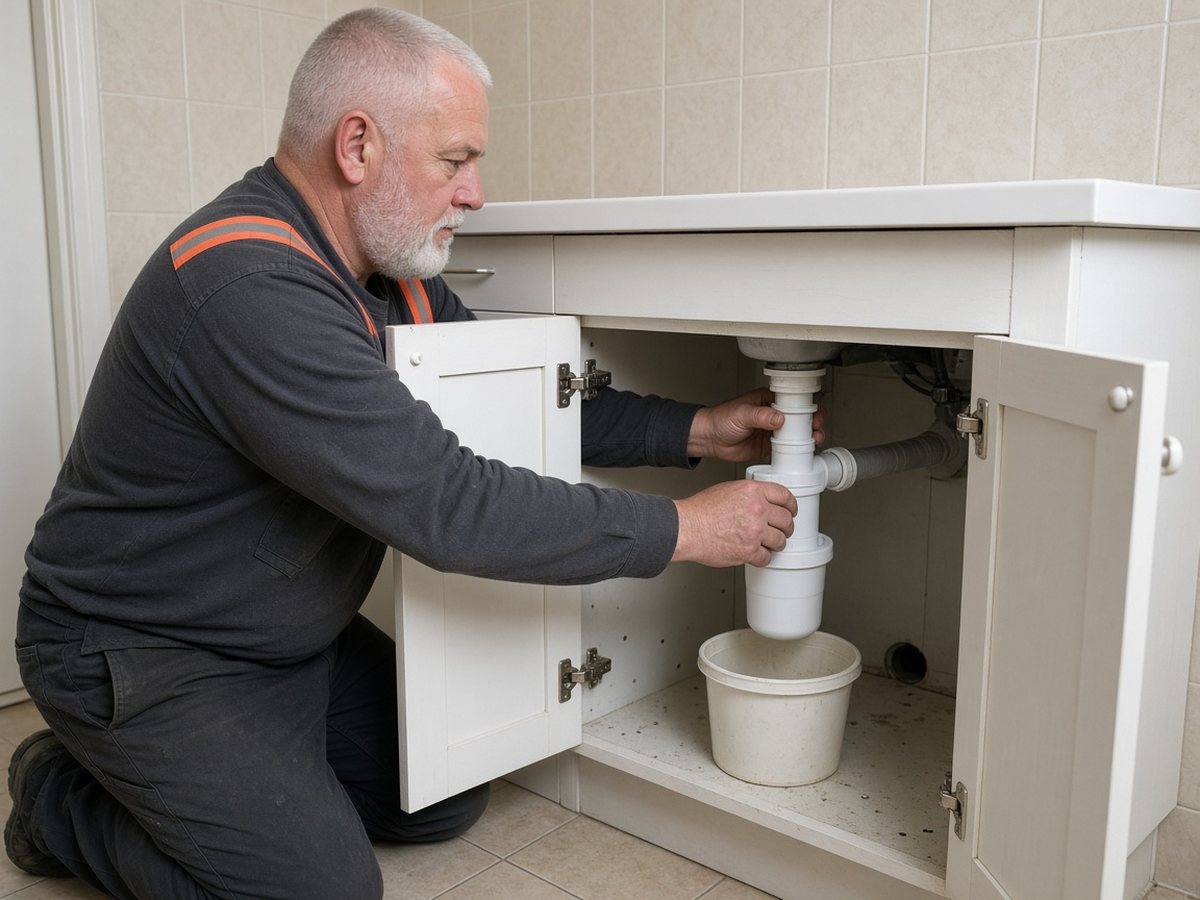
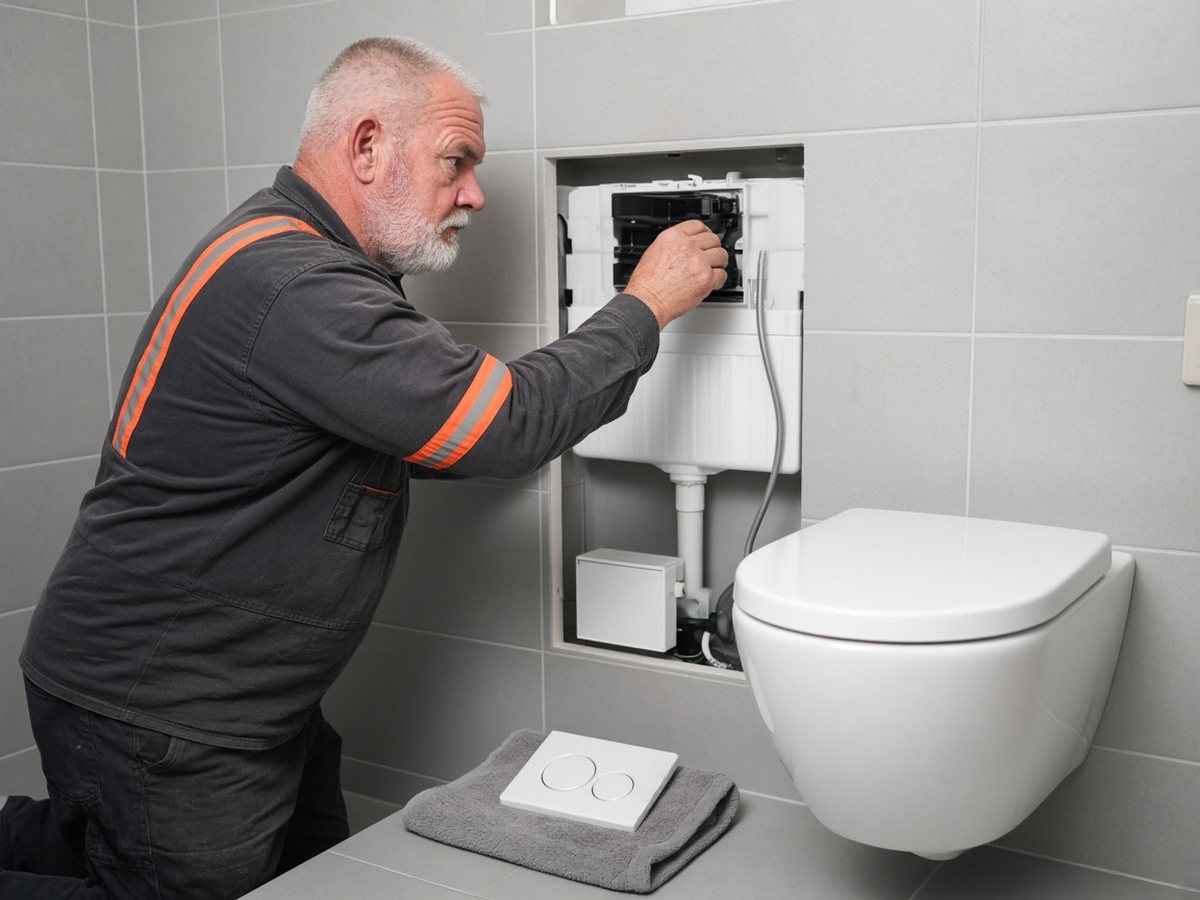 09Blocked Toilets and SinksToilets that will not clear and sinks, basins and showers holding water, unblocked at the fixture with a check further down the line.
 10Leak DetectionRising bills and damp walls traced with acoustic listening, thermal imaging and moisture mapping before anything is opened up.
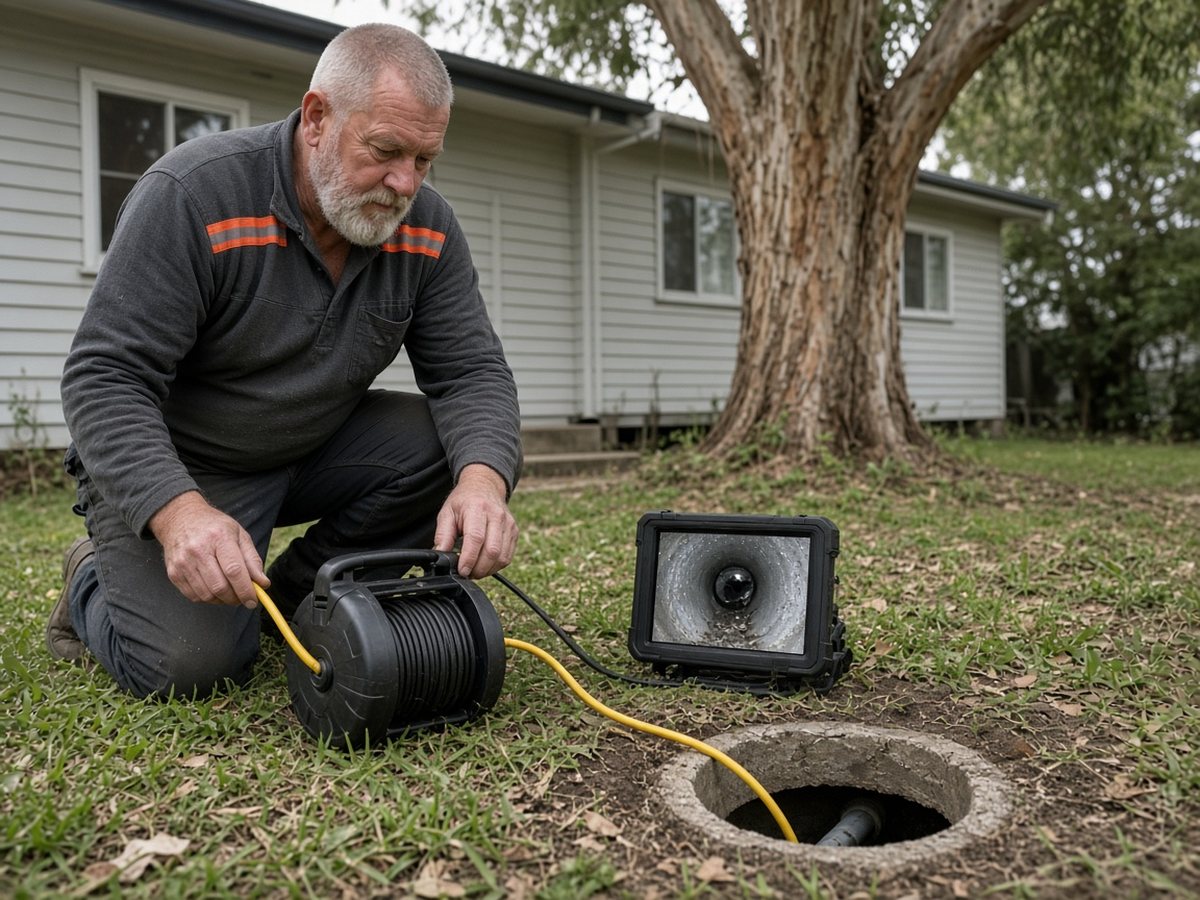
 11Drain Camera and ReliningSee inside the sewer on screen, then seal cracked, root-entry joints with a resin liner instead of trenching through the garden.
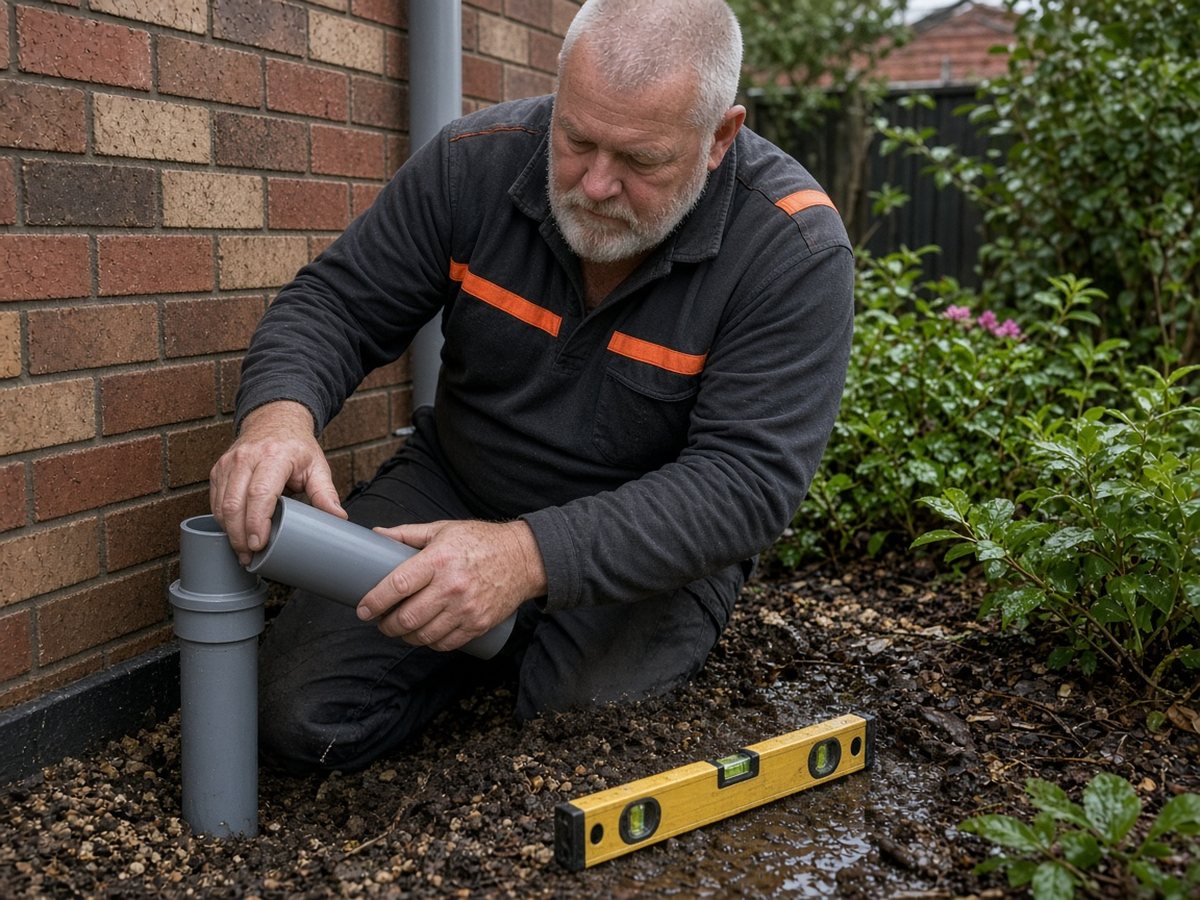
 12Stormwater DrainageBlocked pits, disconnected downpipes and water pooling against walls on clay soil, cleared, repaired and improved.
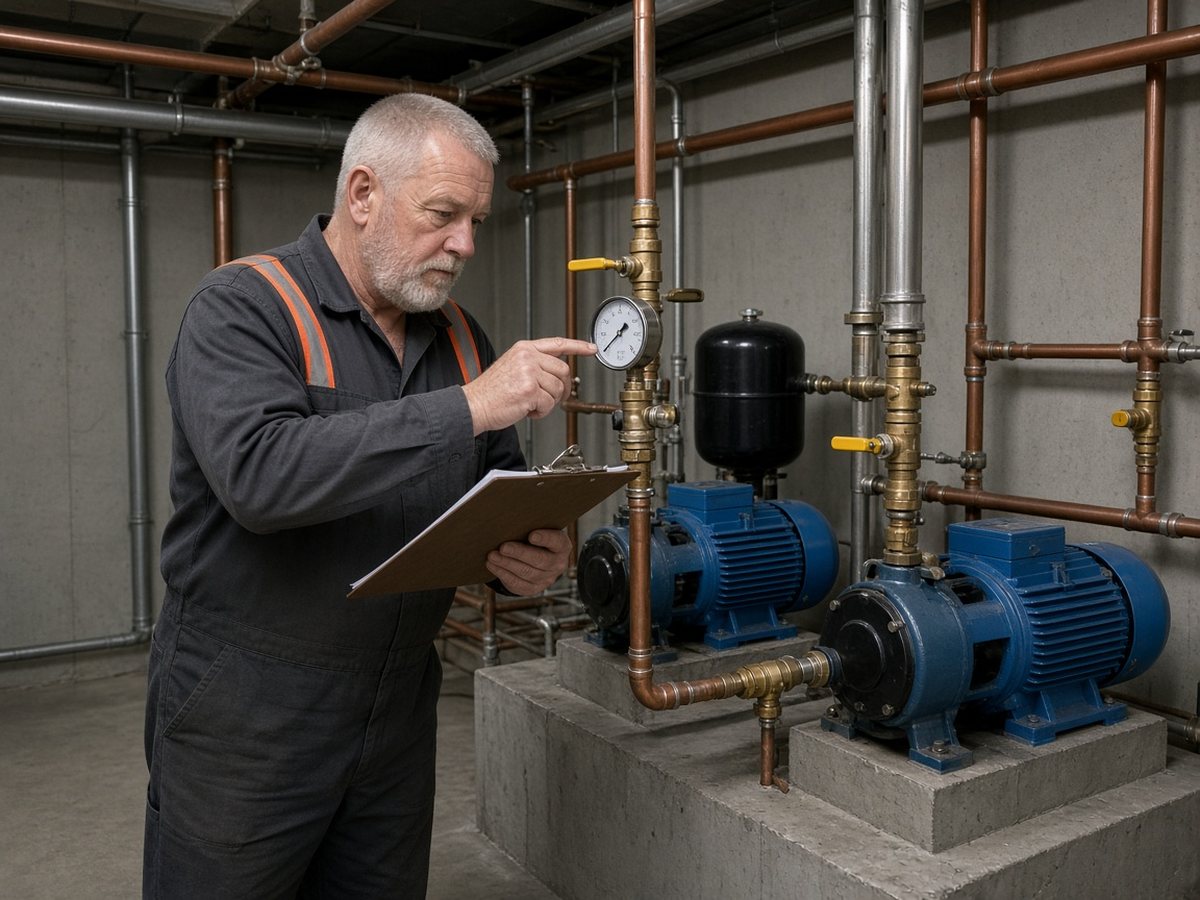
 13Water PressureWeak showers, banging pipes and dripping relief valves tested with a gauge, with pressure limiting valves and booster pumps sorted.
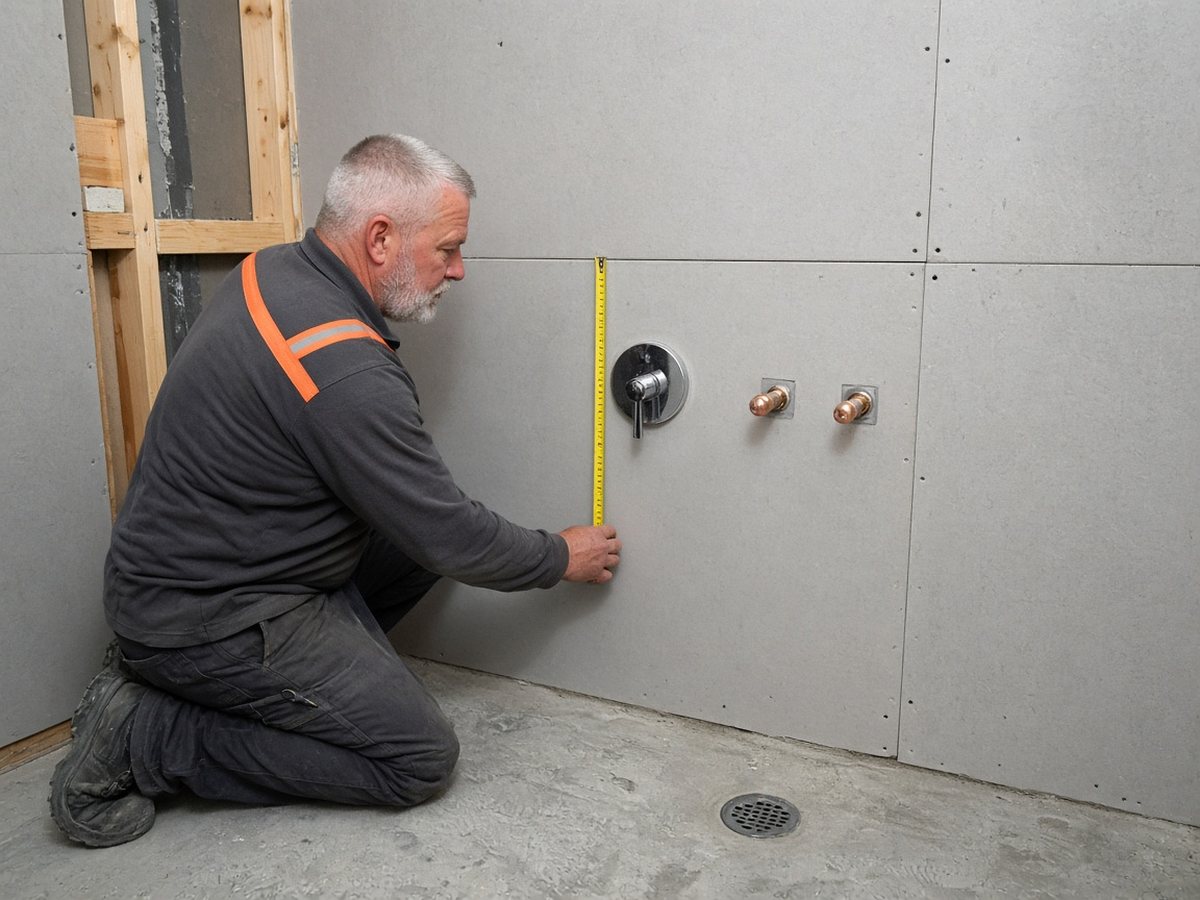
 14Bathroom Renovation PlumbingRough-in and fit-off for bathrooms, ensuites and laundries in houses, units and apartments, set out to suit your tiler and builder.
 15Strata and Apartment PlumbingLeaks between floors, shared drains, meter banks, booster pumps and planned maintenance for owners corporations and building managers.
A big share of Ringwood's homes now sit on subdivided blocks. When a single house was knocked down for two, three or four dwellings, the plumbing was redesigned around the new layout, and the result is often a shared sewer line running down a common driveway, individual water meters in a bank at the front, and stormwater pits that collect from more than one roof.
That brings questions single-house owners rarely face. Is the blockage in your branch or in the shared line? Which meter belongs to which unit? Who pays to fix a leaking pipe under the common driveway? We trace the pipework, explain what serves your unit and what is common property, and give you a clear written note you can pass to your neighbours or the owners corporation.
In the apartment buildings around the Ringwood activity centre, we work with strata managers on booster pumps, riser valves, hot water plant, shared stormwater and the leaks that travel between floors. We carry the right insurance and paperwork, book access through the building manager, and leave a report so the next trade is not starting from scratch.

Why Ringwood Plumbing
Plain answers, careful work, clean exits
Weatherboard on a big block, a unit on a shared site or a fourth-floor apartment: each has its own pipe layout, its own weak spots and its own rules about who fixes what. We sort that out before quoting.
The cause and the cost are explained before work begins. If opening a wall or a drain changes the picture, we stop and talk it over.
Camera, locator, jetter, acoustic listener, thermal imager and pressure gauge mean we pinpoint faults and open up only what is needed.
Photos, footage and written notes that owners corporations, landlords and insurers can rely on when deciding who pays.
Drains and sewers
Under the ground in an older suburb
The sewers under Ringwood's older streets were laid when the suburb first spread out after the war, and a lot of them are still earthenware: short lengths of glazed clay pipe joined with mortar or early rubber seals. Earthenware is tough, but every joint is a gap waiting for a root, and Ringwood has a lot of big trees. Gums, liquidambars and established fruit trees all send fine roots looking for moisture, and a sewer joint is the perfect place to find it.
The usual story is a drain that slows for months, then blocks completely after heavy rain or a busy weekend with visitors. We clear it, then put a camera through so you can see what caused it. If roots have found a cracked joint, clearing alone will only buy time, and we will explain the options for a lasting fix, from cutting and monitoring to relining the damaged length without digging.
On newer townhouse sites the pipe is usually PVC, and blockages there come more from what goes down the drain than from roots. Wipes, cooking fat and long, flat runs under a shared driveway are the common causes.
Service area
Ringwood first, then the Maroondah suburbs around it
Most of our days start near Ringwood Lake and Eastland. From there it is a short hop north up Warrandyte Road to Ringwood North, Warranwood and Donvale, east along Maroondah Highway to Ringwood East, Croydon and Croydon Hills, south to Bayswater North, and west across the Whitehorse line into Mitcham. Not on the list? Ring 03 9088 4157 and we will tell you straight whether we can help.
Hot water
Hot water in houses, units and plant rooms
Ringwood homes use almost every type of hot water you can name. Detached houses mostly run electric storage cylinders, often outside against a wall or in a laundry corner, plus a growing number of heat pumps. Older units sometimes still have small cylinders tucked into cupboards that were never designed for easy access. Some apartment buildings have central hot water plant in the basement, where a fault affects every resident at once.
We repair electric storage systems, solar systems with electric boosting and heat pumps, and we replace whole units when repair no longer makes sense. For apartment buildings with central systems, we work with the building manager to keep downtime short and residents informed.
If you are weighing up a new system, we will look at how many people live in the home, where the unit can go, and whether a heat pump suits the space. We explain the trade-offs plainly and never push a bigger system than you need.
The process
Four steps, no guesswork
- 1You ring or write
Tell us what is happening and what sort of property it is. A phone photo of the problem or the hot water label helps us load the right parts.
- 2We look and explain
On site we find the cause, show you what we see and settle the price with you. Nothing starts until you agree.
- 3The repair, tested
Work is carried out to the plumbing code and the relevant Australian Standards, then run and checked with you watching.
- 4Tidy finish, written up
Old parts leave with us, the area is cleaned and you get a written summary, with a certificate where the law requires one.
Plumbing in Ringwood, street by street
Ringwood's plumbing makes more sense once you know how the suburb grew. The area along the railway line developed first, with timber homes and early brick on generous blocks. After the war the streets spread north toward Ringwood North and east toward Ringwood East, filling with weatherboards and cream brick veneers. From the late nineties onward, many of those blocks were subdivided, and the area around Eastland and the station became a hub for apartments and mixed-use buildings.
Each layer brought its own plumbing materials and habits, and those are what we meet when we lift a pit lid or open a vanity.
The houses built after the war
The weatherboards and brick veneers of the fifties and sixties usually have:
- Galvanised steel or early copper water pipes. Galvanised pipe rusts from the inside, narrowing until pressure drops to a trickle. Where it survives, it is usually time to replace it.
- Earthenware sewers with mortar or early rubber joints, often running under established gardens and large trees.
- Stormwater lines that discharge to the kerb or to an easement drain at the back, sometimes long since blocked with silt.
- Bathrooms renovated once or twice, with newer fixtures connected to old pipework behind the tiles.
These homes have character, but their plumbing has been patched many times. We take the time to understand what has been done before, so the next repair does not create a new problem.
The units and townhouses
Subdivided sites from the last twenty-five years typically have PVC sewers, copper or plastic water pipes, and a mix of electric storage and heat pump hot water. The plumbing itself is newer, but it is often more complicated because several dwellings share drains and services. Our first job on a unit site is often working out exactly what serves which property.
The apartment buildings
Apartments near Eastland, Ringwood station and along Maroondah Highway bring booster pumps, riser pipework, central hot water or individual units on balconies, and shared stormwater systems. Leaks in apartments are rarely confined to one dwelling, so we document what we find and how it was fixed, for the owners corporation and insurers.
Water, soil and trees
Ringwood is in the Yarra Valley Water area. Mains pressure is generally good, and in some lower streets it is high enough to strain taps and appliances unless a pressure limiting valve is fitted. The ground is mostly clay, which moves between wet winters and dry summers and can loosen pipe joints over time. And the trees that make Ringwood leafy, especially around Ringwood Lake, Mullum Mullum Creek and the bushier streets of Ringwood North and Warranwood, are a constant source of roots in old drains.
How we look after Ringwood customers
We ask the right questions first
When you ring, we ask what kind of property it is, whether there is a body corporate, and what you have noticed. That helps us bring the right equipment and avoid a second trip.
We explain before we start
Once we have found the cause, we show you what we found, explain the options, and agree on a price before any work starts. If something changes once a wall or drain is open, we stop and talk it through again.
We respect shared spaces
On unit and apartment jobs we keep common areas clear, let neighbours know if their water will be off, and clean up shared driveways and hallways as well as your own home.
We leave records
For landlords, strata managers and insurers, we provide clear notes and photos of the problem and the repair. Regulated work comes with a compliance certificate.
What we do
Our day-to-day work covers urgent repairs, blocked drains and sewers, hot water repairs and replacements, heat pumps, burst pipes, leaking taps and mixers, toilets, blocked sinks, hidden leaks, drain cameras and relining, stormwater, water pressure, bathroom renovation plumbing, and strata and apartment plumbing. Each service has its own page with more detail.
We do not publish prices on this website. Every job is different, and a figure on a web page rarely matches what you actually need. What you get instead is a clear explanation and a fixed price before work begins.
Quick checks before you ring
A few simple checks can help you describe the problem and sometimes buy time until we arrive:
- Find your water meter and know how to close it. In houses it is usually near the front boundary. In unit developments the meters are often grouped together near the street, so check which one is yours before you need it.
- Look at the switchboard if you have no hot water. A tripped hot water circuit is common.
- Lift the overflow relief gully outside if indoor drains are backing up. If water is rising there, the blockage is in the sewer line rather than one fixture.
- Check the pressure limiting valve near the meter if you hear banging pipes or see dripping relief valves.
- Note which fixtures are affected. One slow sink is a local problem. Several fixtures at once points to the main drain.
If water is near electrical fittings, switch off the power at the switchboard and stay clear.
Water, soil and trees: the local conditions
Three things shape most plumbing jobs around Ringwood, and they are worth understanding if you own or manage property here.
The water supply. Ringwood is supplied by Yarra Valley Water. Mains pressure varies with elevation, and in lower streets it can be high enough to wear out washers, hoses and hot water relief valves early. A working pressure limiting valve after the meter is cheap insurance. Many older homes have never had one fitted, and those that do often have a valve that has quietly stopped regulating.
The soil. Much of Maroondah sits on reactive clay. It swells through wet winters and shrinks through dry summers, which over decades flexes buried pipes, opens joints in old sewers and can crack pipes that pass under slabs and paths. It also drains slowly, so stormwater that is not carried away properly sits against footings and under floors.
The trees. Ringwood is one of the greener parts of the eastern suburbs, from the big gums along Mullum Mullum Creek to the street trees and backyard fruit trees of the older estates. Trees are a large part of why people love living here. They are also the single most common reason sewers block. Roots look for moisture, and an old earthenware joint gives them exactly that.
Older houses: what to expect inside the walls
If you own one of Ringwood's original post-war homes, a few things are almost certain. The sewer is probably earthenware, at least in part. The water pipes are likely copper, possibly with sections of galvanised steel near the meter or under the floor. The hot water system has been replaced at least once, and may have been moved from inside the house to an outside wall. The bathroom may still have its original layout, with a separate toilet and a shower over the bath.
None of that is a problem in itself. Copper can last a very long time, and earthenware sewers can keep working for decades if roots are kept at bay. But it does mean that when something goes wrong, it pays to look at the whole system rather than just the symptom. A blocked drain is a chance to see the condition of the sewer on camera. A burst under the floor is a chance to check whether the rest of the galvanised pipe is close to failing too.
Newer homes: different weak points
Townhouses and units built in the last twenty-five years have PVC sewers, plastic or copper water pipes and modern fixtures, so they avoid many of the older problems. Their weak points are different: in-wall cisterns that need servicing through a small access plate, flexible hoses hidden behind vanities, hot water units squeezed into tight cupboards and courtyards, shower waterproofing that fails early, and shared drains that serve several dwellings. Knowing where to look saves time and opening up.
Apartments: the building is part of the plumbing
In an apartment, your plumbing connects to risers, stacks, pumps and sometimes central hot water that serve the whole building. A problem in your bathroom may start upstairs, and a repair in your laundry may need water isolated to the floor. We are used to working with building managers, booking lifts, notifying neighbours and writing up what we find so that responsibility is clear.
A typical week of jobs
To give you a sense of what a local plumber actually does here, a fairly ordinary week might include:
- Clearing a root-choked sewer behind a weatherboard in Ringwood North, then filming the line so the owner can plan relining
- Finding which of five meters belonged to a townhouse near the highway, after the owner had been paying a neighbour's water bill
- Tracing a ceiling leak in an apartment near the station back to a failed shower seal two floors up
- Replacing an electric cylinder in a tight side passage with a heat pump that runs off the owner's daytime solar
- Fitting a pressure limiting valve after a third braided hose burst in the same house in two years
- Clearing stormwater pits packed with liquidambar leaves before a forecast storm
- Swapping old galvanised pipe under a timber floor for copper to fix rusty water and poor pressure
- Servicing an in-wall cistern that had been running for weeks in a newer unit
None of those jobs is unusual. What matters is arriving with the right gear and knowing the local patterns well enough to diagnose quickly.
Small habits that prevent big call-outs
A lot of the urgent work we do could have been avoided with a few simple habits:
- Know where your meter or isolation valve is, and test that it turns before you need it.
- Replace braided hoses under sinks, basins and toilets every ten years or so, or sooner if you see rust or bulges.
- Keep fat, wipes and food scraps out of the drains, especially on unit sites with a shared sewer.
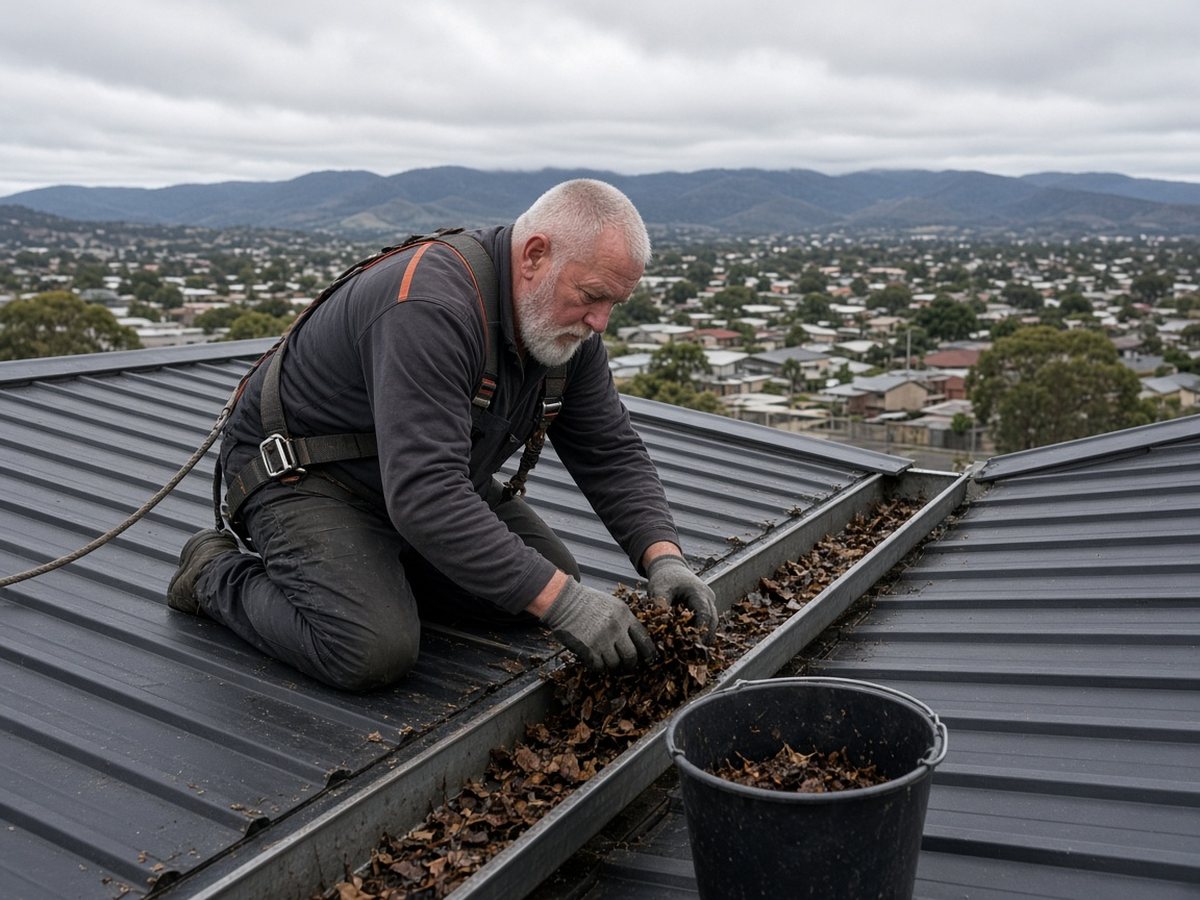
- Clear gutters and stormwater pits each autumn.
- Watch for a water bill that jumps without explanation, which usually means a hidden leak.
- Have an older hot water system checked if it rumbles, leaks at the base or delivers rusty water.
- If your drains have blocked before, have the sewer filmed so you know what you are dealing with.
Honest advice, even when it is not a job
Sometimes the right answer is that you do not need a plumber yet, or that a cheap fix will do for now. A dripping relief valve might just need a pressure check. A slow basin might just need its pop-up plug cleaned. If you ring us with a question, we will give you a straight answer, and if the job is something you can safely handle yourself, we will say so.
Straight talk about cost
We are often asked why there are no prices on this website. The honest answer is that a list would mislead you. Clearing a soft blockage at an inspection opening is a very different job from cutting through a root mat sixteen metres down an old earthenware line. Replacing a cartridge in a common mixer is not the same as sourcing parts for a discontinued tap. So we look first, explain what we found, and agree the cost with you before we start.
Our patch, in brief
We cover Ringwood 3134 and the suburbs that border it: Ringwood East and Croydon to the east, Ringwood North, Warranwood and Croydon Hills to the north, Donvale to the north-west, Mitcham to the west and Bayswater North to the south-east. Staying within that area keeps travel short, which matters most when water is running where it should not.
Landlords, agents and owners corporations
Ringwood has a large rental market, and many of our calls come from property managers and owners corporations. We can coordinate access with tenants directly, provide written reports with photos, and give you clear recommendations for planned work as well as urgent fixes. For apartment buildings, we can attend routine checks on pumps, valves and stormwater pits so small problems are found before they become big ones.
Why Ringwood locals call us
We are close by, so we can usually get to you sooner. We know the mix of old and new housing and the problems each one brings. We talk plainly about what is wrong and what it will cost. And we treat your home, your neighbours and your shared spaces with care.
Asked and answered
Questions Ringwood residents ask
Do you cover all of Ringwood?
Yes. We work across Ringwood, Ringwood East and Ringwood North, plus Croydon, Mitcham, Warranwood, Donvale, Bayswater North and Croydon Hills.
Can you work on apartments and units?
Yes. We regularly work in apartment buildings and unit developments, and we coordinate with building managers and owners corporations for access and shared services.
How much does a plumber cost in Ringwood?
Every job is different, so we do not publish a price list. We find the cause, explain the options and agree on the price before work starts.
Do you handle urgent plumbing?
Yes. Ring 03 9088 4157 for burst pipes, sewer overflows, serious leaks or no water.
Who is responsible for a blocked drain on a unit site?
It depends on whether the blockage is in your private branch or the shared line. We trace the drain and give you a clear note explaining what we found.
Can you replace my hot water system?
Yes. We supply and fit electric storage and heat pump systems, and remove the old unit.
Do you fix drains without digging?
Often. Pipe relining can seal cracked or root-damaged sections from the inside through existing access points.
Is Ringwood mains pressure high?
In some lower streets it can be. A pressure limiting valve protects your taps, hoses and appliances.
Are you licensed?
Yes. Our plumbers hold Victorian licences for the work they do, and we lodge compliance certificates for regulated work.
How do I book?
Ring 03 9088 4157 or send the form on this page, and a licensed plumber will call you back.
Do you look after rental properties in Ringwood?
Yes. We work with landlords and property managers, arrange access with tenants and send reports and invoices to whoever is paying.
Field notes
Recent work across Ringwood and Maroondah
Reading room
Guides written for Ringwood homes
Quotes and bookings
Tell us about the job
Give us the basics and a licensed Ringwood plumber will phone you back. Water pouring somewhere it should not? Do not wait for a reply, ring 03 9088 4157.
There is no price list here on purpose. Every job is looked at first, and the cost is agreed with you before work starts.